How Mountain Humidity Fuels Exterior Mold in Regional Queensland
Perched atop the Great Dividing Range at approximately 700 metres above sea level, Toowoomba occupies a distinct geographical position in Regional Queensland. Known for its lush parks and rich volcanic soils, the Garden City also features a specific mountain microclimate characterized by dense fog, orographic cloud cover, and sustained atmospheric moisture. While this environment nurtures thriving gardens, it creates the ideal https://garretttkht488.fairmontdigest.com/posts/best-time-to-pressure-clean-your-home-in-toowoomba habitat for exterior mold, mildew, lichen, and algae to proliferate on residential and commercial building envelopes.
The Science of Mountain Humidity and Orographic Dampness
Unlike the coastal regions of Queensland where sea breezes and persistent heat facilitate rapid moisture evaporation, mountain communities experience frequent temperature inversions and lingering cloud cover. When moist air currents push inland from the Pacific and rise against the eastern escarpment, the air cools and condenses. This orographic lifting produces regular morning mists and elevated relative humidity levels that often exceed 80 percent, particularly during the transition from late summer through the autumn and winter months.

Because ambient temperatures on the range remain cooler than those in the Lockyer Valley below, moisture that settles on exterior building materials takes significantly longer to dry. This prolonged dampness provides microscopic fungal spores with the sustained hydration required to anchor, feed on organic surface matter, and spread rapidly across cladding, timber, and masonry.

Vulnerable Exterior Substrates in Toowoomba Properties
The architectural variety in Toowoomba—ranging from heritage timber Queenslanders and post-war weatherboards to modern rendered brick and composite cladding—faces varied degrees of biological colonization depending on porosity and solar exposure.
- Timber Weatherboards and Fascias: Porous painted timber easily traps moisture within hairline cracks, allowing fungal hyphae to penetrate beneath the paint film, leading to premature flaking and eventual dry rot.
- Cement Render and EIFS: The textured finish of acrylic render traps windblown organic debris, dirt, and mold spores, holding morning dew long enough for black mold ( Stachybotrys and Cladosporium species) to establish entrenched colonies.
- Colorbond and Metal Roofs: Dew accumulation on shaded roof pitches and under overhanging eaves produces green algae and black lichen, which can degrade protective coatings over time if neglected.
- Pavers, Sandstone, and Concrete Driveways: Highly porous ground surfaces absorb mountain moisture, quickly turning into slick slip hazards coated in dark fungal biofilm.
Why Southern and Eastern Elevations Suffer Most
In Queensland's Southern Downs and Toowoomba regions, the orientation of a building plays a decisive role in mold severity. Southern-facing walls receive minimal direct sunlight throughout the winter months, preventing natural thermal drying. Concurrently, eastern elevations bear the brunt of escarpment mists arriving from the Range edge.
Properties surrounded by mature camphor laurels, liquidambars, and dense garden canopies experience even lower airflow. The combination of shade, calm air pockets, and constant surface moisture creates a self-sustaining cycle where spores multiply uninterrupted across broad wall expanses.
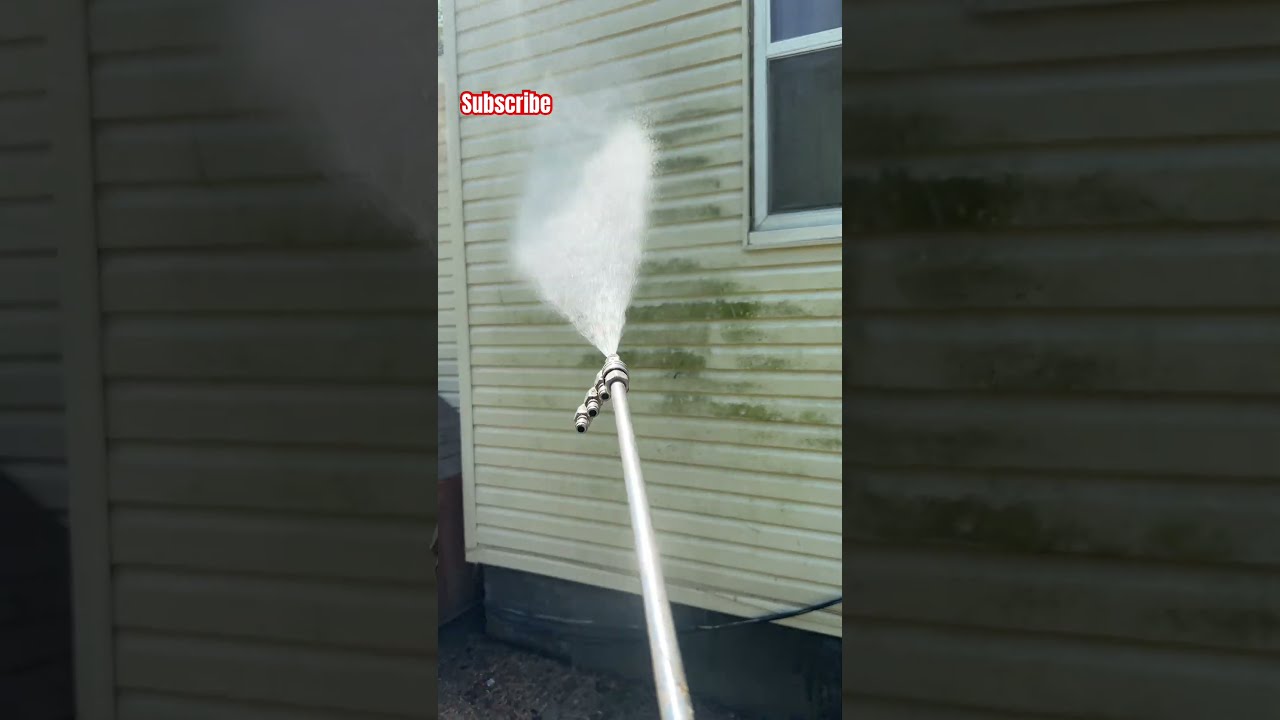
Effective Prevention and Exterior Cleaning Protocols for 2026
Addressing mountain mold requires methods that eliminate fungal root structures rather than merely shearing off surface growth. High-pressure washing alone often drives water deeper into porous cladding and masonry, exacerbating moisture retention behind exterior walls. Current exterior maintenance standards emphasize targeted chemical remediation paired with low-pressure rinsing.
- Application of Biodegradable Fungicides: Modern sanitizing agents break down the cell walls of mold, mildew, and lichen spores at a molecular level, preventing rapid spore regeneration.
- Soft Washing Techniques: Low-pressure delivery systems protect delicate paintwork, mortar joints, and seals from the micro-fractures frequently caused by high-pressure blasts.
- Vegetation Setbacks: Pruning back tree limbs and foundation plantings to maintain at least one metre of clear air gap allows natural cross-ventilation to dry perimeter walls.
- Gutter and Drainage Management: Clearing blocked gutters and ensuring downpipes channel mountain runoff away from footings prevents damp soil from generating persistent ground-level humidity.
Protecting Property Value and Structural Health
Exterior fungal colonization is not merely an aesthetic nuisance; it represents an active degradation process. Left unchecked, mold breaks down paint binders, stains protective render coats, and accelerates the deterioration of underlying building materials. For Toowoomba homeowners and facility managers, recognizing the compounding effects of elevation and moisture is the first step toward implementing proactive maintenance schedules that keep properties resilient against mountain humidity.
Toowoomba Pressure Cleaning Pros
(07) 4646 4034